Berlin, Germany Max Delbrück Center
Katarína Grešová
Machine learning for biology, built to be reused
My work is the loop from experiment to model to biological insight: benchmarks and data preparation at one end, model interpretation at the other, models of RNA regulation in between.
Training a good model is hard, and it is the part that gets all the attention. But on flawed data, or with no way to see what it learned, it still isn’t usable — and if it isn’t usable, why did we build it?
I was a software engineer before I was a scientist — four companies, Oracle and Tieto among them — and I have learned a new field every few years since. What I want next is a company where that whole combination is the job: owning a research question, being the one who checks whether the answer is real, and explaining both to the people who weren’t in the room.
Looking for a research scientist or project lead role. Bio, health and techbio — Berlin or remote in Europe.
- 11
- courses and workshops taught, students supervised
- 316
- citations across 16 papers, 5 of them mine to lead
- 182
- stars on the benchmark suite, cited 175 times
- 4
- companies whose production software I helped ship
Citation and star counts checked September 2026.
Things I build Everything I've built
Everything here was used by somebody who isn't me — that is the only rule for getting on the list. Of the 14, 3 began as a complaint about an evaluation and 5 were shipped in industry, where somebody else's day was ruined if they broke.
-

Genomic Benchmarks QC
Automated quality control for genomic machine-learning datasets. It scores the biases, duplicate sequences and train/test leakage a classifier could exploit before you train on it — length differences, GC content, per-position give-aways, near-duplicate overlap...
-
miRBench
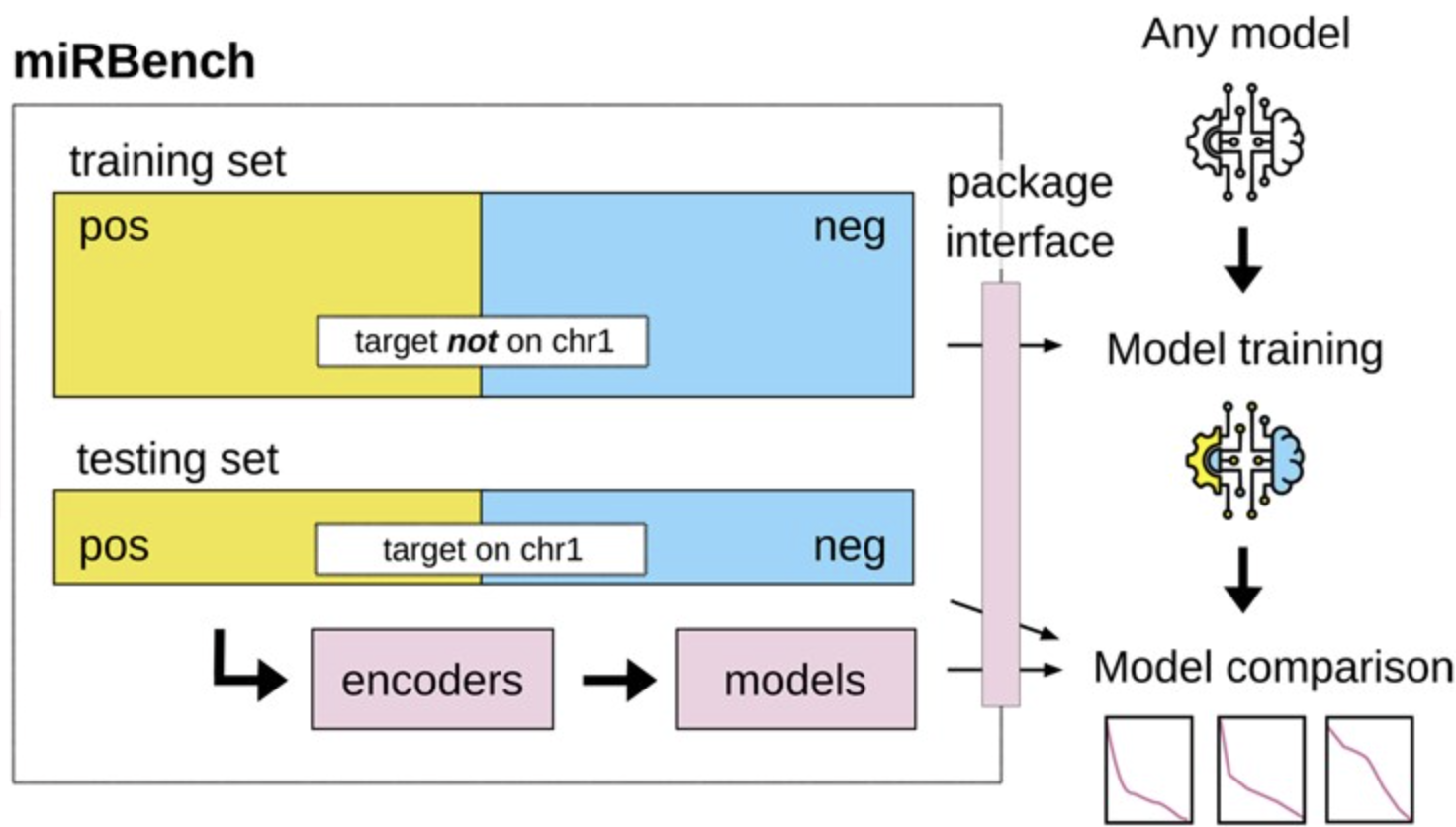
Benchmark datasets and a Python package for miRNA target-site prediction, built to remove the frequency-class bias that quietly inflates published scores. It ships the data, the splits and wrappers around the existing predictors, so...
-
Genomic Benchmarks
Eight curated datasets for genomic sequence classification across human, mouse and roundworm, each with a sensible split and a baseline model, so a new architecture has something honest to beat. Installable as a package...
-
Attribution sequence alignment
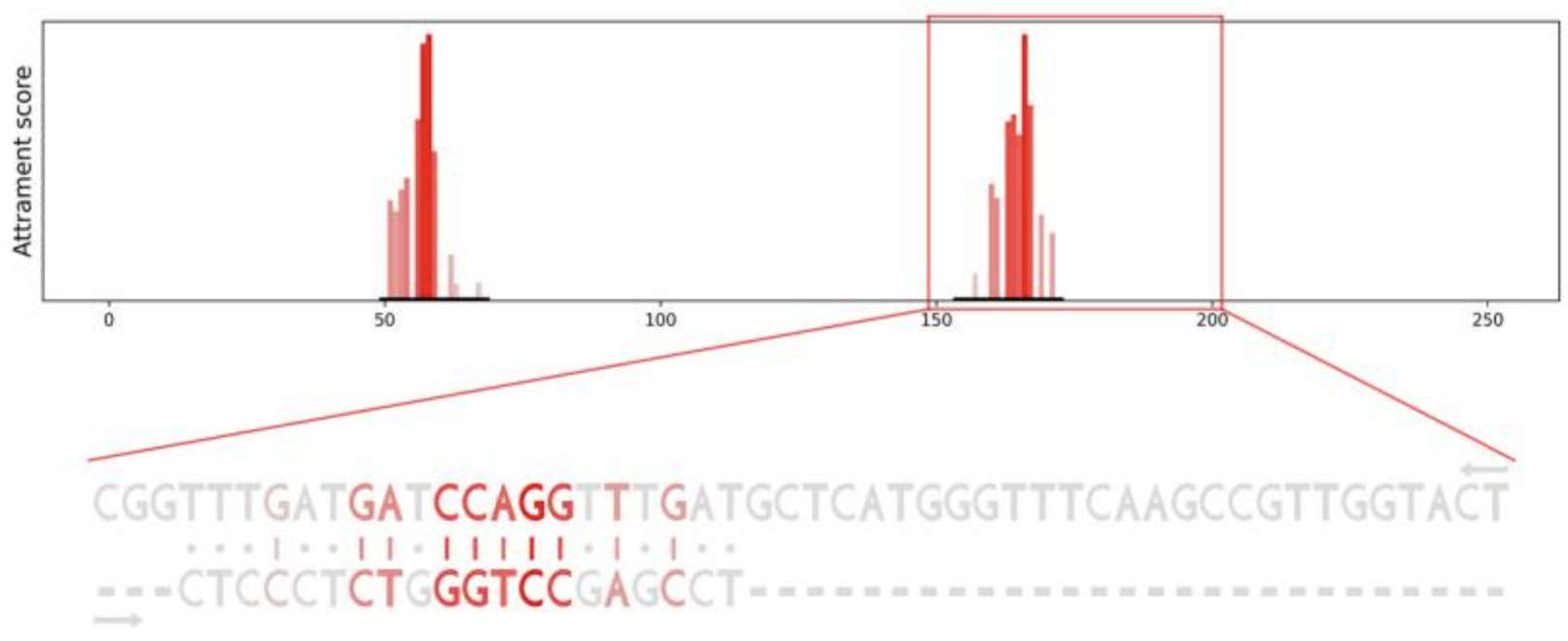
A way to make a model say what it noticed. Attribution gives you one importance score per nucleotide, which is not yet a motif; aligning those profiles across many sequences makes the patterns a...
-
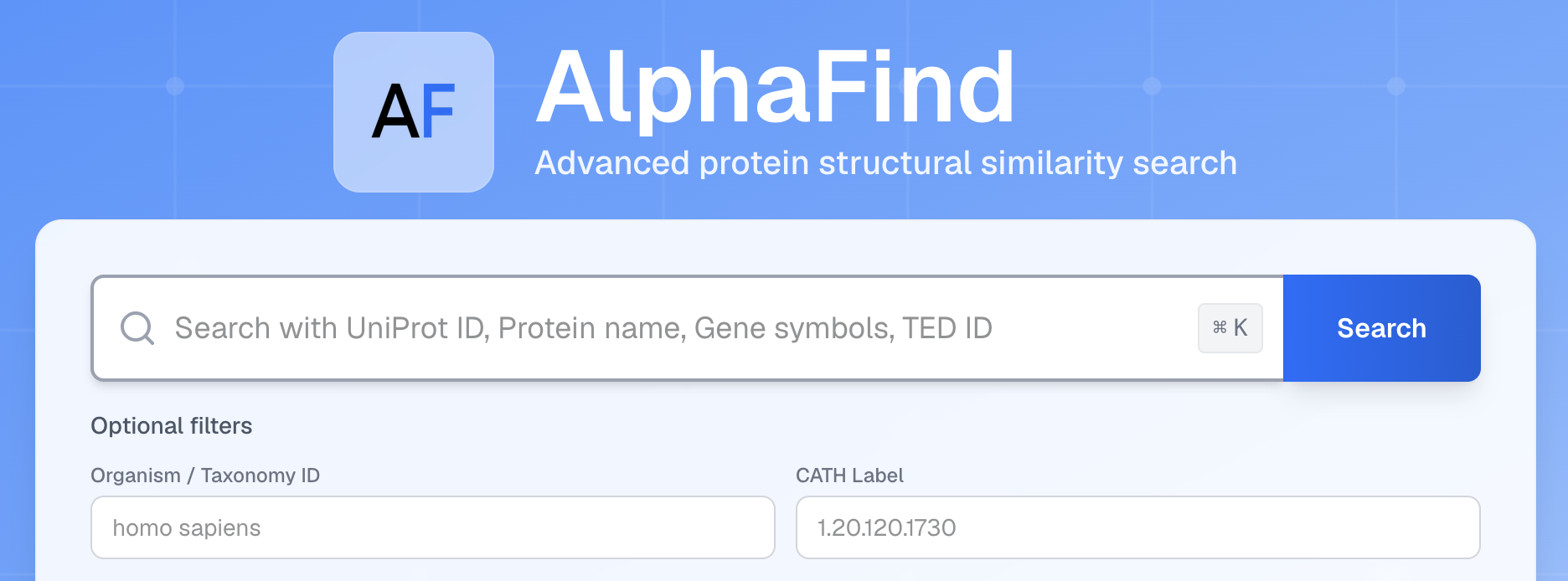
AlphaFind and AlphaFind2
Structure-similarity search across the whole of AlphaFold DB. Pretrained networks compress each structure into an embedding, which turns an all-against-all comparison over more than 200 million structures into a query you can wait for....
-
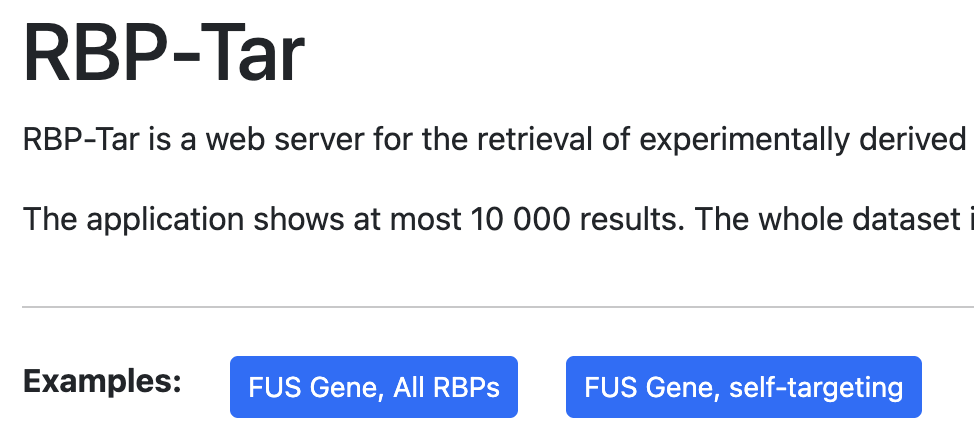
RBP-Tar
A searchable database of experimentally determined RNA-binding protein sites, pulled out of published CLIP experiments and put behind a query interface — so you can ask what binds a transcript without reprocessing somebody else's...
Teaching Everything I've taught
I teach in both directions — computation to biologists, biology to computer scientists — in university practicals, conference tutorials, a three-day deep learning course, and material anyone can work through on their own. Most of it is public, which makes it the easiest way to check whether I can explain something before you hire me to.
-
Deep Learning for Genomics
Convolutional and recurrent models for biological sequence data, taught from first principles to a room of biologists who had not written a training loop before, and who had one working by the end of...
-
The Missing Skills
Project-based tutorials on the computational skills a science degree leaves out — version control, the shell, and making your work runnable by someone who isn't you. Written because the bottleneck in computational biology is...
-
Biology Crash Course
Molecular biology from the ground up, written for computer scientists who need enough of it to be dangerous. The mirror image of The Missing Skills, and between them the two directions I spend most...
Selected publications All publications
-
2026
SenCat: cataloging human cell senescence through multi-omic profiling of multiple senescent primary cell types
Molecular Cell86(13), 2605–2616.e8Shared second author
-
2025
miRBench: novel benchmark datasets for microRNA binding site prediction that mitigate against prevalent microRNA frequency class bias
Bioinformatics41(Supplement_1), i542–i551Co-first author
-
2024
RBP-Tar: a searchable database for experimental RBP binding sites
F1000Research12, 755First author
-
2023
Genomic benchmarks: a collection of datasets for genomic sequence classification
BMC Genomic Data24, 25First author
-
2023
Using attribution sequence alignment to interpret deep learning models for miRNA binding site prediction
Biology12(3), 369First author
Let's talk
If you are building something in biology or health and you need someone to own a question, keep the results honest, and explain both to the rest of the company — that is the conversation I am quickest to answer. You don't need a worked-out role description; a paragraph about what you're building is plenty. Teaching and consulting enquiries are welcome too.